

Caribbean Food:
Jerk in Jamaica, Bakes in Barbados, and Creole Flavors in Saint Lucia
Food is one of the most powerful ways to understand the Caribbean. Long before visitors arrive, each island has already told its story through fire pits, spice blends, shared meals, and recipes passed down through generations. Caribbean food reflects history, resilience, celebration, and community. It is shaped by African, Indigenous, European, and island influences that continue to evolve today.
For travelers who want to experience more than scenery, Caribbean dishes offer a direct connection to island life. From smoky jerk cooking in Jamaica to golden bakes in Barbados and layered Creole flavors in Saint Lucia, each destination brings its own taste, rhythm, and traditions to the table.
This guide explores three iconic food experiences that go beyond restaurant menus. These are everyday flavors rooted in culture, shared with intention, and best enjoyed where they originate.
Did you know Caribbean food traditions date back thousands of years, blending Indigenous ingredients with African cooking techniques brought across the Atlantic?
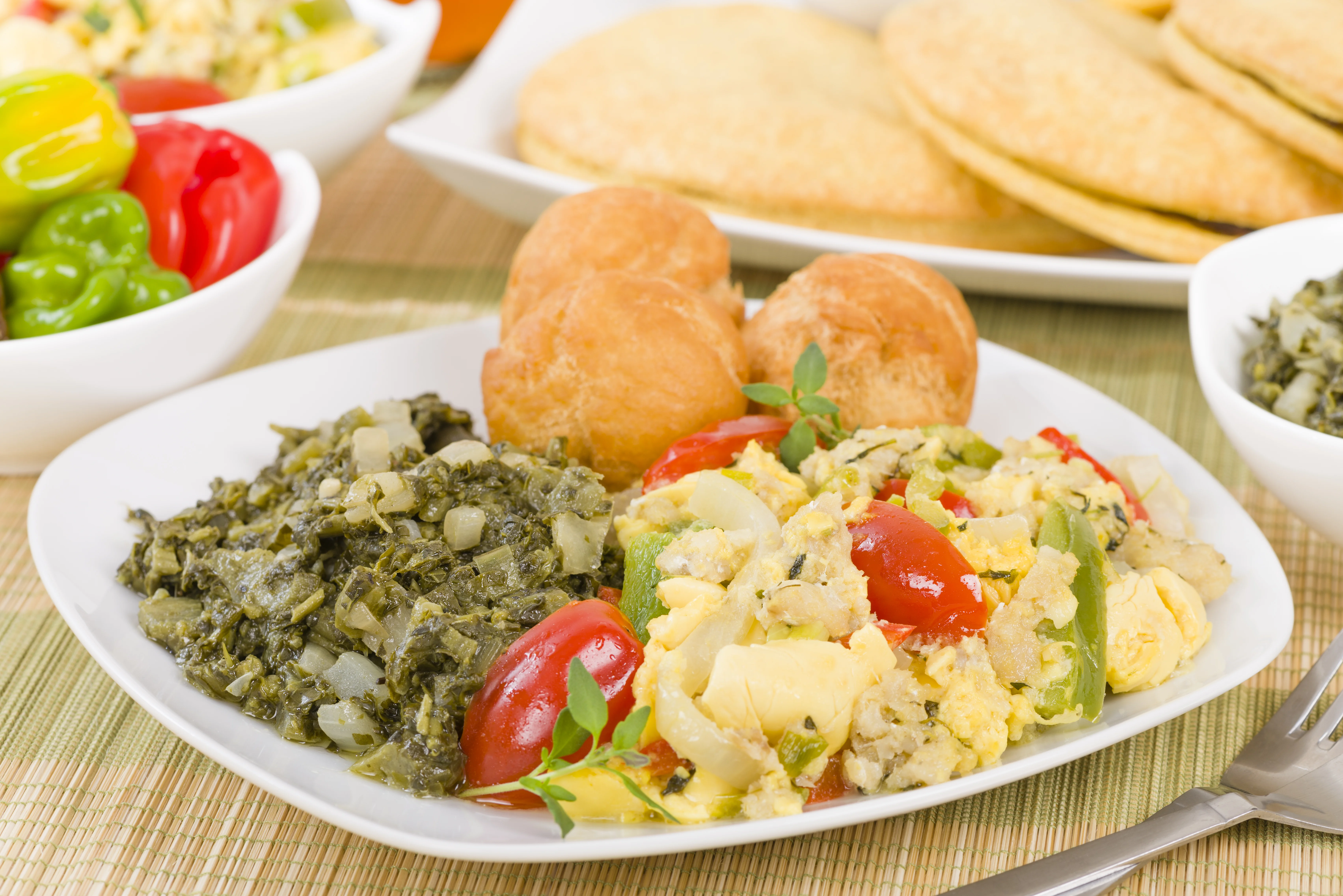
Jerk in Jamaica: Fire, Spice, and Deep Tradition
Jerk is one of the most recognizable Caribbean dishes, but its meaning goes far beyond heat. In Jamaica, jerk cooking is a tradition built around patience, technique, and community. It began as a way to preserve and flavor meat using spice blends, slow cooking, and open flames.

- Traditional jerk seasoning combines allspice, Scotch bonnet peppers, thyme, garlic, and scallions.
- The meat, often chicken or pork, is marinated for hours, sometimes overnight, allowing the flavors to fully develop.
- Cooking usually happens over pimento wood, which adds a smoky depth that defines true jerk.
Jerk is not just about the food itself. It is about the setting. Locals gather around roadside grills, open pits, and neighborhood cook sites. Music often plays in the background, and conversations flow easily. Eating jerk becomes a social experience, not a rushed meal.
For travelers exploring Caribbean food, jerk in Jamaica offers an authentic introduction to how food, history, and daily life connect. It is bold, balanced, and deeply tied to place.
Something you might not expect, traditional jerk cooking was originally developed by the Maroons, who used slow fire techniques to cook and preserve meat in the mountains.
Bakes in Barbados: Comfort Food with Island Roots
In Barbados, food often starts with simplicity and ends with comfort. One of the most loved local staples is the bake. Sometimes called a fried dough bread, bakes are crisp on the outside and soft on the inside. They are eaten throughout the day and paired with both savory and sweet fillings.
Bakes are commonly served with saltfish, cheese, eggs, or fresh fish. You may find them at beachside vendors, morning food stalls, or small neighborhood kitchens. The recipe is simple, but the preparation matters. The dough is mixed, shaped, and fried until golden, creating a texture that feels familiar yet uniquely Caribbean.
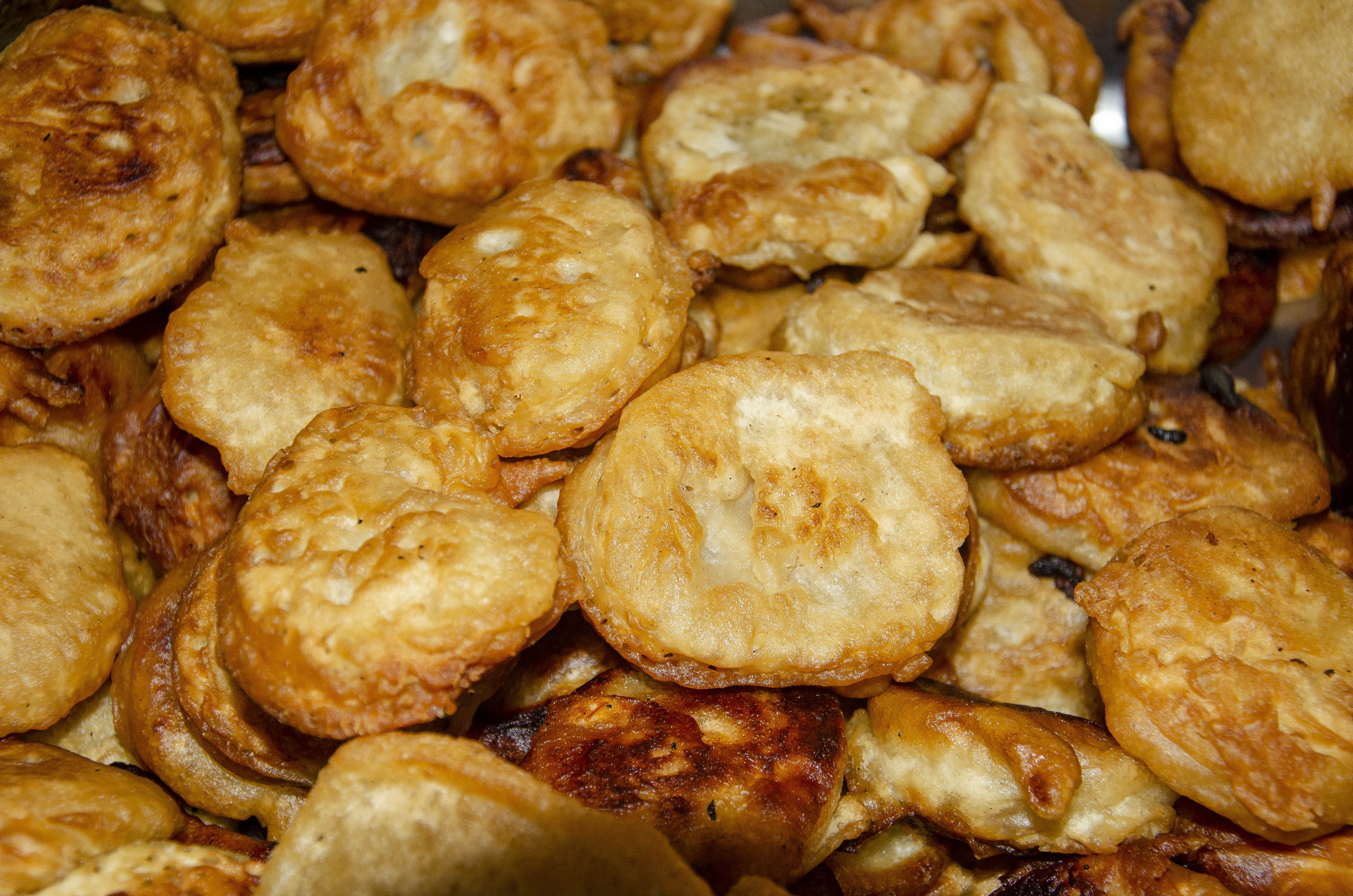
Bajan cuisine emphasizes balance and practicality. Ingredients are local, portions are generous, and meals are meant to be satisfying. Eating a bake often feels casual, but it carries a sense of tradition that has been passed down through families for generations.
For travelers curious about Caribbean dishes that reflect everyday island life, bakes in Barbados offer a warm, welcoming experience. They represent how food fits naturally into daily routines rather than special occasions.
A cool detail to keep in mind, Barbados is known as the birthplace of rum, and many traditional meals are designed to pair well with local spirits.
Creole Flavors in Saint Lucia: Layers, Balance, and Storytelling
Saint Lucian cuisine reflects the island’s history and geography. Creole flavors bring together African, French, and Caribbean influences to create dishes that feel layered and expressive. Meals often include stewed meats, fresh seafood, vegetables, and rich sauces seasoned with herbs and spices.
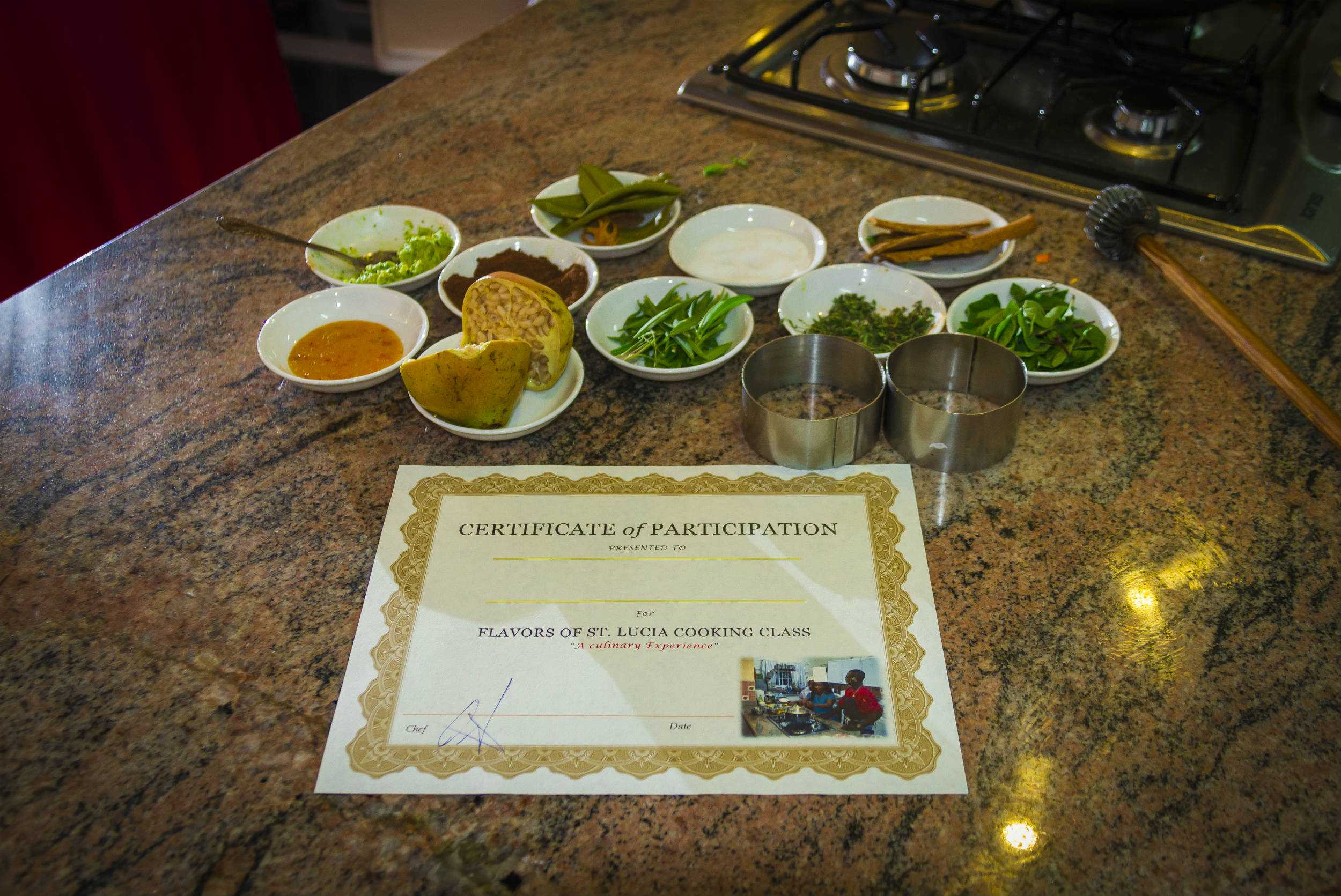
Creole cooking focuses on building flavor slowly. Ingredients are sautéed, simmered, and combined with care. Popular dishes may include green bananas with saltfish, stewed chicken, or fish cooked with tomatoes, peppers, and local seasoning blends.
Food in Saint Lucia is closely tied to family and celebration. Recipes are often shared verbally, learned by watching and helping rather than reading instructions. This creates dishes that vary slightly from home to home, each with its own personality.
For travelers interested in Caribbean food that tells a deeper story, Saint Lucia offers a thoughtful and flavorful experience. Creole cuisine invites you to slow down, savor each bite, and appreciate the care behind the meal.
Here is a surprising bit of info, many Saint Lucian Creole dishes use green bananas instead of rice, reflecting the island’s agricultural history.
Why Caribbean Food Is Best Experienced Locally
Caribbean food is not meant to be rushed or overly formal.
It is meant to be shared, discussed, and enjoyed in the moment. Eating local dishes in their home environment adds context that cannot be recreated elsewhere.
When travelers experience Caribbean dishes where they originate, they also experience the people behind them.
Cooks share stories, techniques, and pride in their craft. Meals become moments of connection rather than transactions.
Food experiences often pair naturally with exploration.
- A day in the mountains may end with jerk by the roadside.
- A beach visit may include a fresh bake and conversation with a local vendor.
- A cultural tour may lead to a Creole meal prepared with care.
Did you know many Caribbean recipes are preserved through oral tradition rather than written cookbooks?
Bringing It All Together: Tasting the Caribbean with Intention
Jerk in Jamaica, bakes in Barbados, and Creole flavors in Saint Lucia each highlight a different side of Caribbean food. Together, they show how history, environment, and community shape what ends up on the plate.
For travelers researching Caribbean food or exploring Caribbean dishes as part of their trip planning, these experiences offer more than flavor. They offer insight. They help you understand the islands through everyday moments and shared meals.
Choosing food experiences with intention allows you to connect with local culture in a way that feels natural and respectful. It turns eating into learning and travel into something personal.
Did you know food based experiences are consistently ranked among travelers’ most memorable moments in the Caribbean?
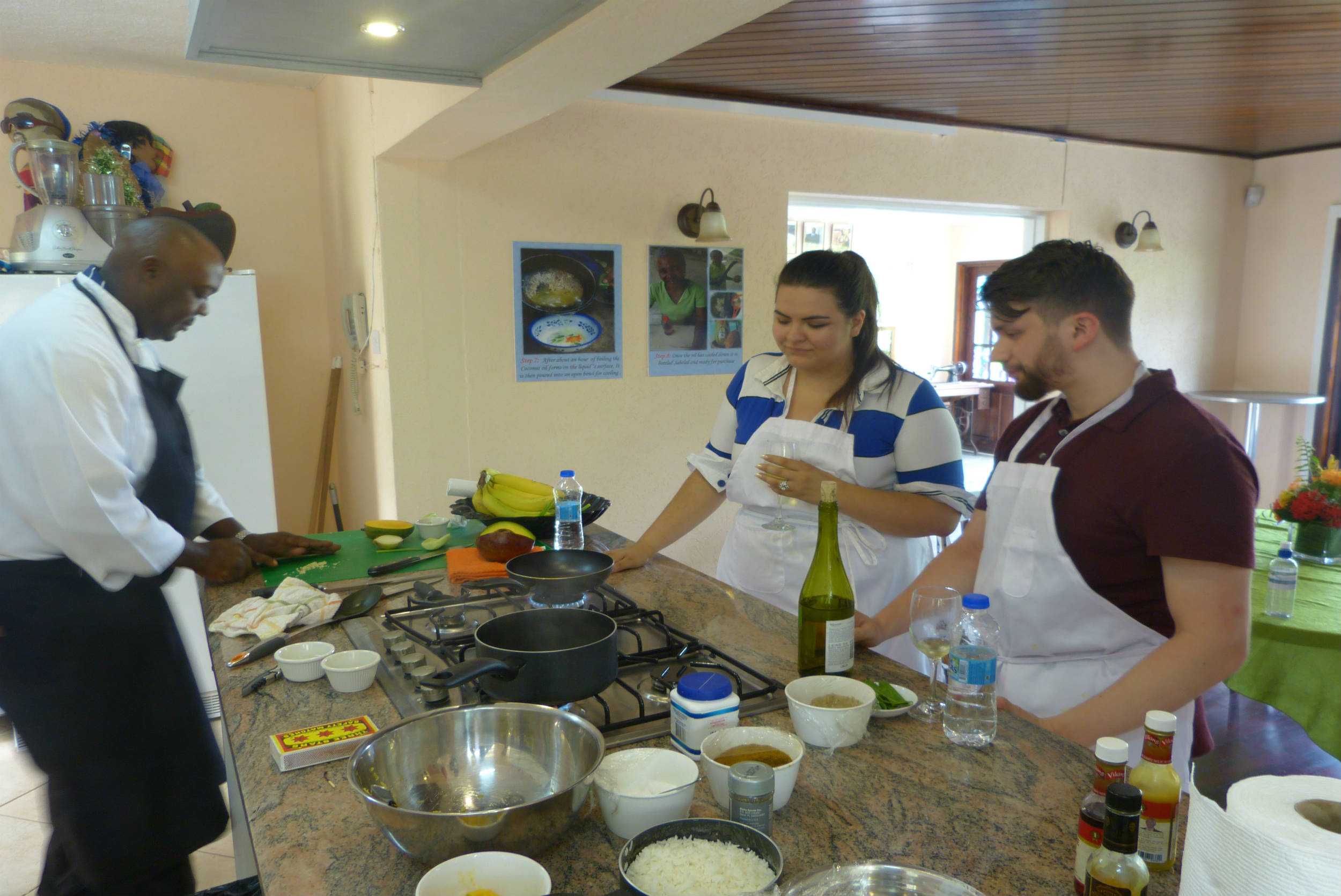
Experience Caribbean Food with Island Routes
Island Routes curates experiences that invite travelers to explore the Caribbean through culture, flavor, and local connection. From food focused excursions to immersive island adventures, their guided and private offerings are designed to reveal the heart of each destination.
Explore Island Routes to discover Caribbean experiences that bring the region’s stories, traditions, and tastes to life.