

The Bahamas is one of the best places in the world to see marine animals in their natural habitat. Clear water, bright reefs, and calm coastal areas make it easy to spot dolphins, rays, and many other species. When travelers search for Bahamas wildlife, they often want a close and memorable experience that still feels safe and respectful. Exploring these waters gives you a deeper look into how life moves beneath the surface and why the islands attract so many nature lovers.
Bahamas wildlife stands out because the islands sit in warm, shallow water that supports a huge range of species. If you want to understand this environment better or plan a wildlife focused adventure, the islands offer plenty of opportunities to learn, explore, and enjoy the view.
This guide walks you through the habitats that support marine life, what it feels like to spot dolphins and rays in the wild, and how to enjoy wildlife encounters in a way that stays comfortable, safe, and respectful.
Why the Bahamas Is Full of Marine Life
The Bahamas is a natural playground for ocean life. More than 700 islands and cays sit on shallow banks of warm, clear water. Sunshine reaches deep into the sea, which helps coral reefs grow and stay bright. These reefs attract fish, rays, turtles, and many other animals. Dolphins use the channels between islands like underwater highways, and sheltered mangrove areas give young fish a safe place to grow.
All of these pieces fit together and create an active, healthy ecosystem. When you stand on the shore, the water might look calm and quiet. Underneath, Bahamas wildlife is constantly on the move. Fish feed, rays search the sand, dolphins pass through channels, and turtles glide over seagrass beds. It is a busy world that keeps the islands alive and full of color.
Main Habitats that Support Bahamas Wildlife
Here are the key habitats that help wildlife in the Bahamas thrive.
Coral reefs
Reefs are like underwater cities. Coral provides shelter, hiding spots, and food for many species.
- Small fish dart in and out of the coral
- Larger fish and sharks patrol the edges
- Sea turtles and rays visit to feed and rest
Sandy flats
These wide, shallow areas might look empty at first, but they are full of life.
- Rays glide just above the sand as they look for clams and crustaceans
- Small fish school together for safety
- Starfish and conch often rest on the bottom
Deep channels
Channels between islands create natural paths that connect different parts of the ocean.
- Dolphins travel and hunt in these deeper areas
- Larger fish move through with changing tides
- Clear blue water makes it easier to spot animals from a boat
Mangrove coastlines
Mangroves are coastal trees with long roots that grow into the water. They protect shorelines and give young marine life a safe home.
- Baby fish hide among the roots
- Crabs and small animals feed on plants and debris
- Mangroves help filter the water and keep it clean
Protected marine areas
Some parts of the Bahamas are set aside as marine parks or protected zones.
- Fishing is limited or restricted
- Coral and seagrass beds get time to recover
- Sensitive species have a safe place to feed and breed
Each of these habitats gives travelers a different way to experience the ocean. On one trip, you might float over a reef full of color. On another, you might ride through a deep channel where dolphins often appear. Guided tours help you move through these areas in a way that feels safe, comfortable, and respectful to the animals that live there.
Common Questions About Marine Life in the Bahamas
Is the water in the Bahamas always warm enough for marine life?
Yes. The Bahamas sits in warm tropical water for most of the year. This steady temperature supports coral growth and keeps fish, dolphins, and rays active. It also makes snorkeling and swimming more comfortable for travelers.
Can I see wildlife close to shore, or do I have to go far out to sea?
You do not always need to go far from land. Many types of Bahamas wildlife can be seen in shallow areas near beaches, sandbars, and coves. Rays, starfish, small reef fish, and sometimes even turtles appear in calm, clear spots close to shore. Guided boat tours can then take you farther out to visit deeper reefs and channels.
Why is the water so clear in the Bahamas?
The islands rest on a shallow limestone platform with very little river runoff. That means fewer particles cloud the water. Sunlight can travel deeper, which helps coral and seagrass grow and makes it easier for you to see wildlife beneath the surface.
How do these habitats affect my experience as a traveler?
Each habitat creates a different type of adventure.
- Reefs give you bright colors and constant movement
- Sandy flats feel calm and open, perfect for spotting rays
- Deep channels offer chances to see dolphins in motion
- Mangroves feel quiet and protected, great for a slower, more peaceful trip
When you join a guided experience, you are not just looking at the water. You are stepping into a living system where every habitat supports the next, and every part plays a role in the story of Bahamas wildlife.
Dolphins in the Bahamas: Playful and Curious
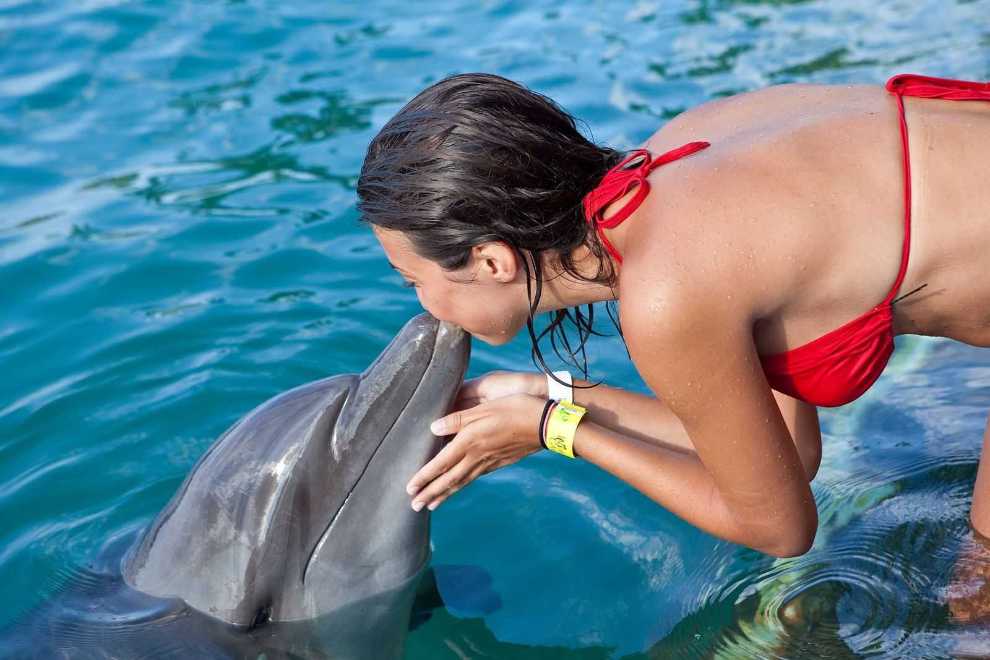
Many visitors list dolphins as the animal they most want to see. Dolphins in the Bahamas are known for being social and active. They often swim in groups, jump through the waves, or glide close to boats. It is common to spot them during a catamaran cruise or guided boat ride.
Why dolphins love the Bahamas
Warm water, open space, and plenty of food help dolphins thrive. Bottlenose dolphins and Atlantic spotted dolphins live here year round. Spotted dolphins develop more spots as they get older, which makes them easy to recognize. Dolphins also enjoy riding the pressure waves created by boats, so you might see them swimming alongside your tour group.
How dolphins behave in the wild
Dolphins rely on teamwork. They communicate through clicks and whistles, chase fish together, and stay close to their group for protection. A guided tour can help you understand their behavior better and observe them without interrupting their natural routines.
Rays in the Bahamas: Calm and Graceful
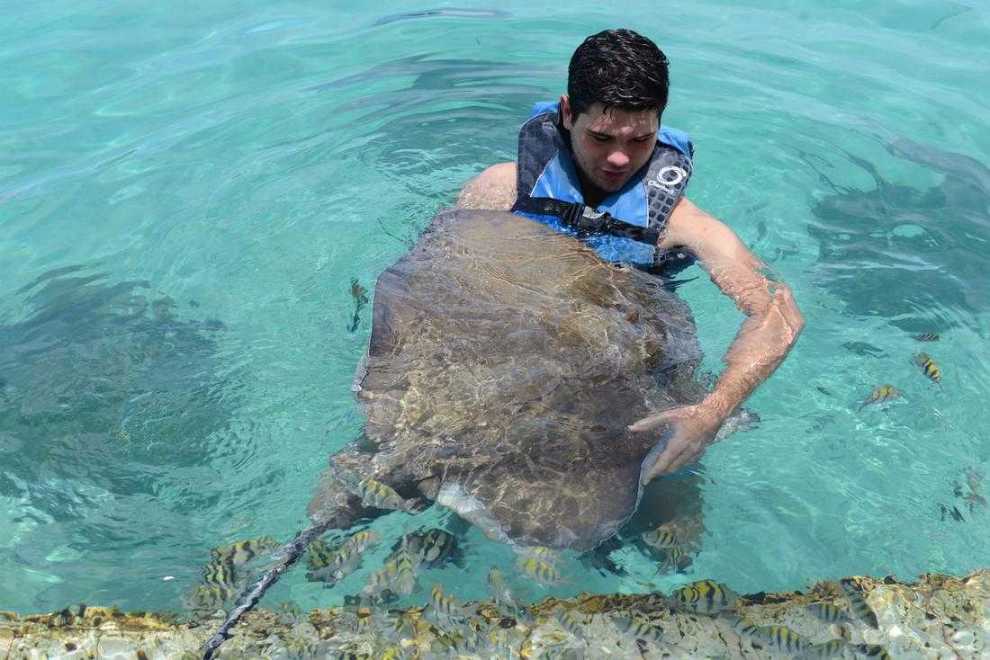
Rays bring a different type of wildlife experience. Instead of fast movement or jumping, rays glide slowly across the sea floor. Many travelers describe them as peaceful to watch because of their gentle motion.
Types of rays you might see
- Southern stingrays
- Caribbean whiptail rays
- Spotted eagle rays
What makes rays interesting
Rays move by sweeping their wide fins like wings. Some grow to impressive sizes, especially eagle rays with large wingspans. Even though rays may look intimidating at first, they are calm animals that avoid crowds and prefer quiet movement.
Tips for watching rays safely
- Move slowly and stay aware of your surroundings
- Give rays plenty of space
- Avoid sudden splashes
- Listen to your guide for safety instructions
Beyond dolphins and rays, the wildlife in the Bahamas includes sea turtles, colorful reef fish, nurse sharks, starfish, conch, sponges, and coral structures in bright colors. These animals shape the atmosphere of each adventure and make the moments feel personal and memorable.
Why Marine Conservation Matters
The Bahamas protects many marine areas to help keep the ecosystem healthy. Coral reefs face pressure from storms, boat traffic, and rising temperatures, so restoration work is important. When you join a guided experience, you also support sustainable tourism that helps the islands care for their natural spaces.
How conservation supports wildlife
- Marine parks protect important habitats
- Coral nurseries help rebuild damaged reefs
- Fishing rules keep populations balanced
- Community programs promote long term care
These efforts help make wildlife encounters possible for future travelers. They also reflect the values of Island Routes, which focuses on authentic experiences, local connection, and protecting the region for years to come.
Frequently Asked Questions About Bahamas Wildlife
-
How likely am I to see wildlife during a tour?
Sightings are common because dolphins and rays live in areas that tours visit often. Conditions like weather and water clarity can affect visibility, but wildlife is active year round. -
What is the best season to see dolphins or rays?
There is no single best season. Warm water stays consistent, which means dolphins and rays remain active throughout the year. -
Are wildlife encounters safe?
Yes, when you follow instructions and respect the animals. Guides focus on safety and help you understand how to keep a comfortable distance. -
Where can I see rays in the Bahamas?
Rays often gather in shallow sandy areas and near reefs. Many wildlife tours visit spots known for reliable ray sightings. -
Can kids join wildlife tours?
Many tours are family friendly. Calm water, simple snorkeling locations, and gentle wildlife behavior make them suitable for a wide range of ages. -
Why do dolphins swim near boats?
Dolphins enjoy the waves formed by boats. These waves help them move with less effort, and they often travel with their group while doing it. -
How does conservation help wildlife?
Protected areas, coral programs, and sustainable tourism support healthy habitats. These efforts help maintain strong wildlife populations. -
Do I need snorkeling experience to enjoy tours?
Not always. Many guided tours offer quick instructions and visit easy, beginner friendly sites.
Explore the Best of Bahamas Wildlife with Island Routes
Bahamas wildlife creates some of the most meaningful moments travelers experience on the islands. Whether you are watching dolphins leap through the waves or quietly observing rays glide across the sand, each encounter helps you feel closer to the natural world around you. Guided adventures with Island Routes bring these moments to life through local knowledge, warm hospitality, and a passion for sharing the beauty of the Caribbean.
If you want to explore dolphins, rays, reefs, and more, contact Island Routes today to start planning your adventure.